Travel by train in France
Discover all the train companies operating in France
Planning your trip giving you a headache? Having 20 tabs open to compare every train journey is no fun… With Kombo, you can compare and book train tickets at the best price in one place. Compare the biggest train, bus, flight and carpooling companies in France to find the simplest, cheapest or fastest journey: in short, the one that suits you best.
By combining several companies and modes of transport on Kombo, you'll find the best balance between travel time and price:
Travelling further? Our guides to trains in Italy, trains in Spain and trains in Germany cover operators, routes and tickets.

400 train, bus, plane, and carpool companies
Cancellation and exchange in 2 clicks on Kombo

Customer service by email
Which train companies operate in France?
Not everyone knows it, but SNCF is no longer the only train company in France! Admittedly, it still runs the vast majority of services, but it is gradually making room for new players such as our friends at Trenitalia and Renfe.
SNCF
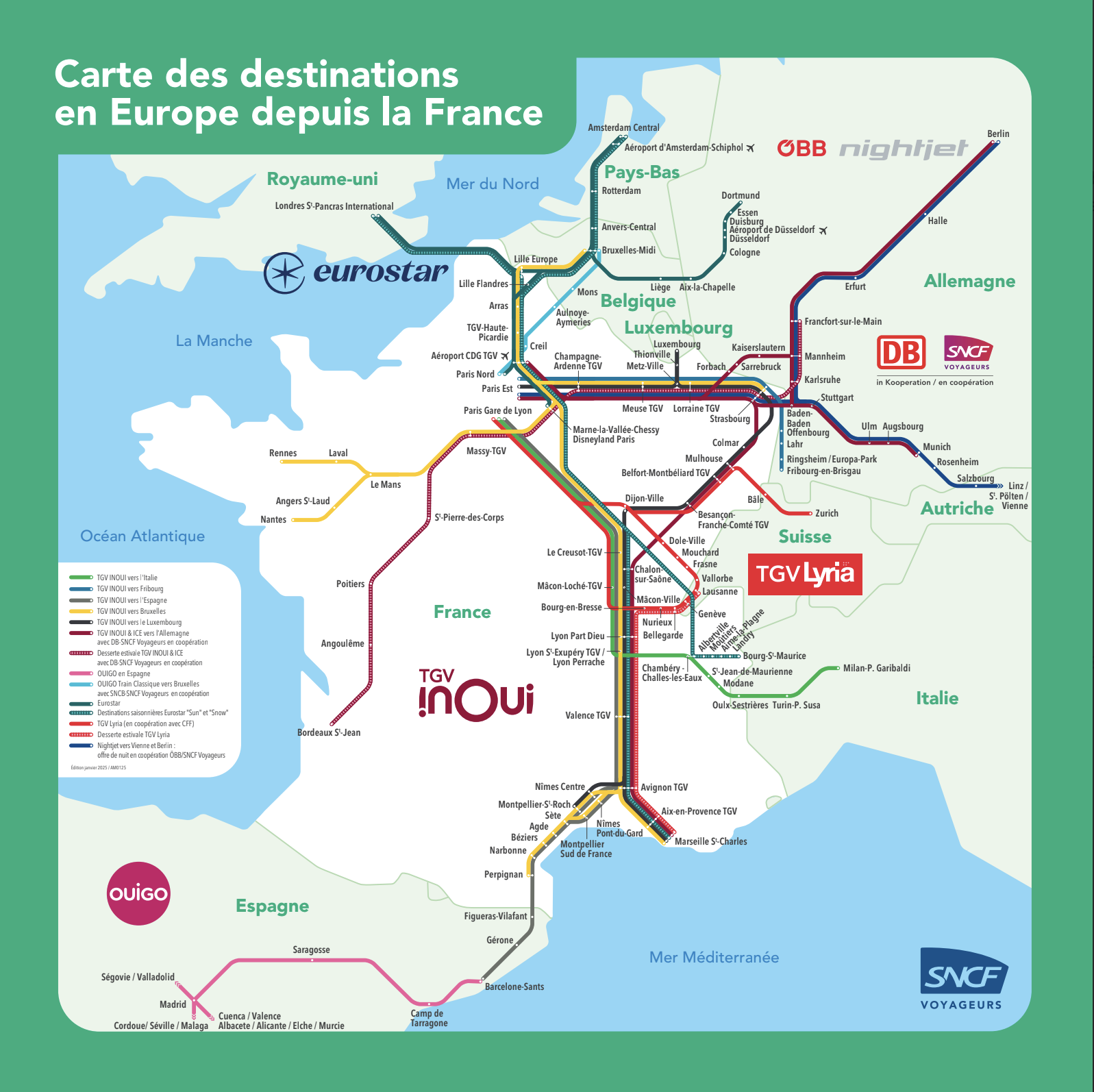
In France, the main rail company is SNCF, the national operator. SNCF runs several brands and services to meet different travel needs, which means it operates many different types of train. Here is a quick overview of the SNCF offer:
TGV Inoui
TGV Inoui trains, launched by SNCF in 2017, are the very essence of high-speed rail in France. With free Wi-Fi and extra comfort, TGV Inoui combines speed with quality service. On board you'll find second class, first class and a bar car. You can save on your TGV journeys with SNCF discount cards such as the Carte Avantage.
Intercités
Intercités trains link the main Paris stations with less-served destinations such as Le Havre, Limoges or Clermont-Ferrand, which are not on the high-speed network. With first and second class and an on-board bar, these trains reach speeds of up to 200 km/h and have one special feature: they run both by day and by night. A few lines in France still let you travel by night train. Although they are slower than the TGV, Intercités trains are a cheaper option. And on night services you save a night's accommodation: you arrive early in the morning, ready to start your day!
TER
For regional and local journeys, TER trains are at your service. These trains can reach 160 km/h, making them a fast and flexible option. Tickets start at just €2, with a fixed fare based on the distance travelled. TER trains are ideal for exploring, like the Train des Merveilles in Provence-Alpes-Côte d'Azur, perfect for discovering the towns and villages near the Mediterranean coast. They are among SNCF's best-value fares. A nice bonus: timetables matter less, because if you miss your TER you can simply hop on the next one, or the one after that (just check that your ticket allows it).
OUIGO
OUIGO, SNCF's low-cost train, is your best friend for saving money while exploring France. OUIGO trains have a single class, equivalent to standard second class. Choosing OUIGO is a great way to find affordable tickets. Their departure times differ from TGV Inoui services and focus on off-peak slots, which helps keep fares low.
Proxima
Proxima is a new independent company that wants to offer a new way to travel by high-speed train in France. Proxima plans to become the first independent French rail company dedicated to high-speed trains, linking Paris with the main cities in western France, as an alternative to traditional operators such as SNCF, Inoui and OUIGO.
Trenitalia
You may not know it yet, but SNCF now has competition, notably from Trenitalia, which entered the French market in December 2021.
Trenitalia is the Italian rail company that connects cities across Italy and even its islands… That's around 9,000 trains a day and 600 million passengers a year. Trenitalia has also arrived in France with high-speed trains, so you can now travel Paris–Lyon in under 2 hours! As with SNCF, you travel on a high-speed train, called the Frecciarossa. Why that name? Here's a free mini Italian lesson: split it in two, Freccia means arrow and Rossa means red.
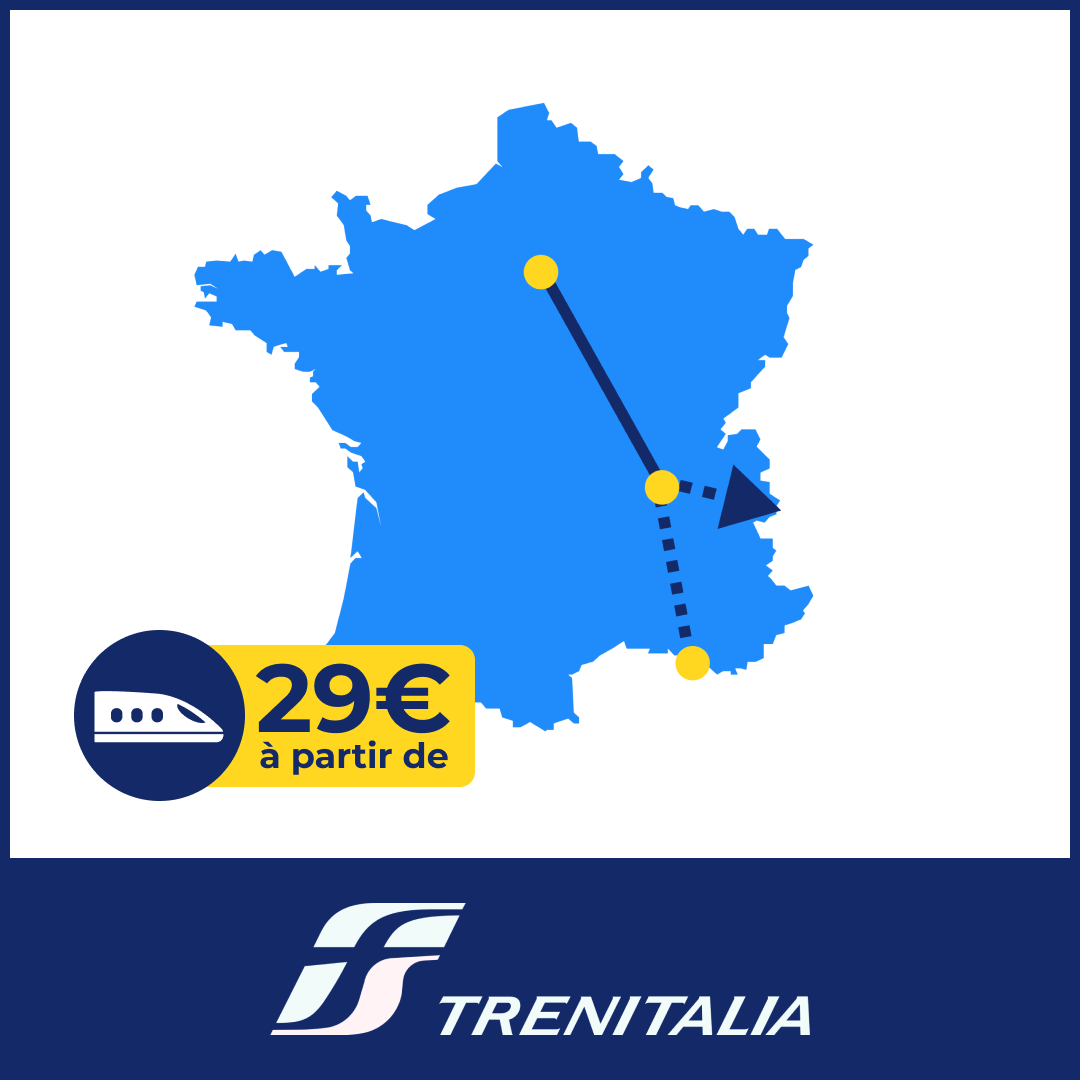
Trenitalia wants to grow in the French market and offers highly competitive prices, with tickets often cheaper than those of SNCF, the French national operator. It runs several daily round trips between Paris and Lyon, some of which continue to Milan via Chambéry, Modane and Turin.

Renfe
Since 2023, the Spanish company Renfe has also been operating in France.
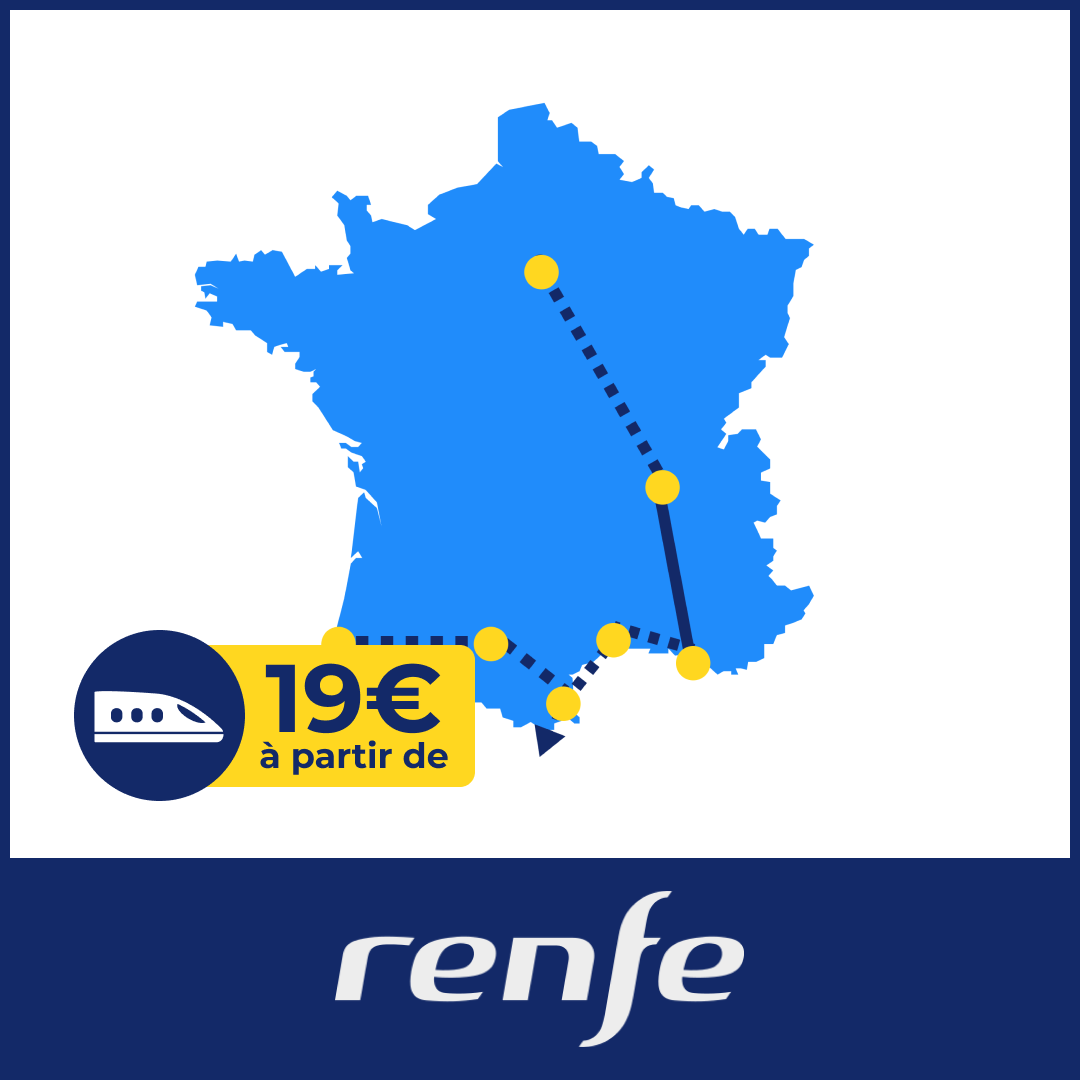
Starting with 2 lines, Lyon–Barcelona and Marseille–Madrid, the company also runs domestic journeys within France, linking cities such as Montpellier, Perpignan and Béziers. As for prices, Renfe is bound to make people happy, since it offers journeys within France from €9. Travelling across the south of France for €9: what more could you ask for? As Jules would say, Renfe lets you not only go and eat tapas in Madrid and party in Barcelona, but also try a company other than SNCF, for a change.

Which companies plan to operate in France?
Le Train
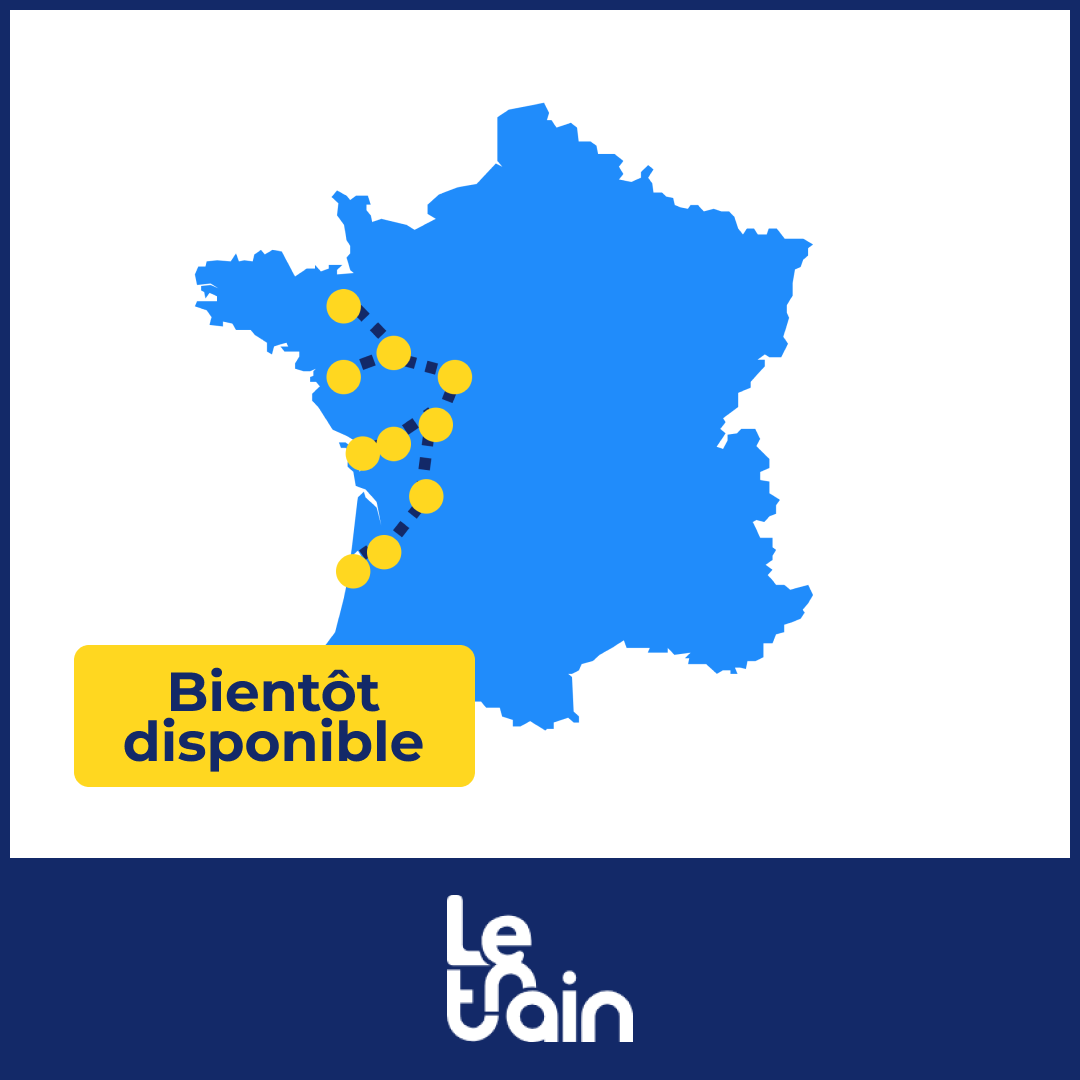
Founded in February 2020, the rail company Le Train aims to connect several major destinations in western France, such as Bordeaux, Rennes, Nantes and Tours.
The idea behind the project is that there are not enough rail connections in western France. According to Le Train, the Atlantic coast is an ideal area to launch a new transport offer.
Le Train plans high-speed services between Paris and Bordeaux and between Paris and Rennes, as well as direct links between Bordeaux and Nantes and between Bordeaux and Rennes, with stops in cities such as Tours, Angoulême and Angers. The main goal is to significantly cut travel times between these cities.
Le Train plans to run several daily round trips on each of its lines.
Frequently asked questions
When are train tickets cheapest?
Train ticket prices vary much less than plane tickets, but they still differ a lot depending on when you buy and when you travel. This is called "yield management". Understanding it helps you anticipate it and find the best deals.
At Kombo, we study the journeys of our 1 million monthly users to tell you when to buy your train tickets. The most important thing is to book early: tickets are cheapest when sales open. SNCF, for example, generally puts its tickets on sale around 4 months before the travel date.
Which day should you buy? On average, tickets are more expensive when bought at the end of the month (+5 to +6% compared with the rest of the month). The difference isn't significant, but tickets are slightly cheaper when bought on a Tuesday (-4% vs the rest of the week) and more expensive on Thursdays, Saturdays and Sundays (+3%).
Which day should you travel? It's best to travel mid-week. Weekends are when tickets are most expensive (+15% on Fridays, Saturdays and Sundays).
Above all, ticket prices rise during French school holidays: at Easter, Christmas and the autumn break, but especially in summer. July is the most expensive month of the year (by a small margin), with prices on average 25% higher than the rest of the year.
How early should you arrive at the station?
This question divides people: the anxious ones who arrive 2 hours before departure, and those who like to cut it fine, even at the risk of missing the train… At Kombo, we respect both approaches, but if you want to avoid unnecessary stress, we recommend arriving about 30 minutes before departure.
Most French stations display the platform 20 minutes before departure. That gives you plenty of time to settle in comfortably and watch, with some satisfaction, the people running along the platform because they chose to arrive at the last minute.
One word of warning though: on some trains, access to the platform closes 5 minutes before departure. Allowing a 30-minute margin means you avoid the last-minute rush and can get to the platform without any trouble, for a stress-free departure.
Can train tickets be exchanged or cancelled?
Exchange and cancellation conditions are set directly by each company and therefore vary depending on the one you choose. Some tickets can be exchanged and cancelled free of charge up to a certain point, while others are simply non-flexible. We recommend always checking the conditions of your journey when you book: on Kombo, they are always clearly displayed. If you have already booked and aren't sure, you can check the conditions of your journey directly in your after-sales area.
Kombo exclusive: the cancellation guarantee
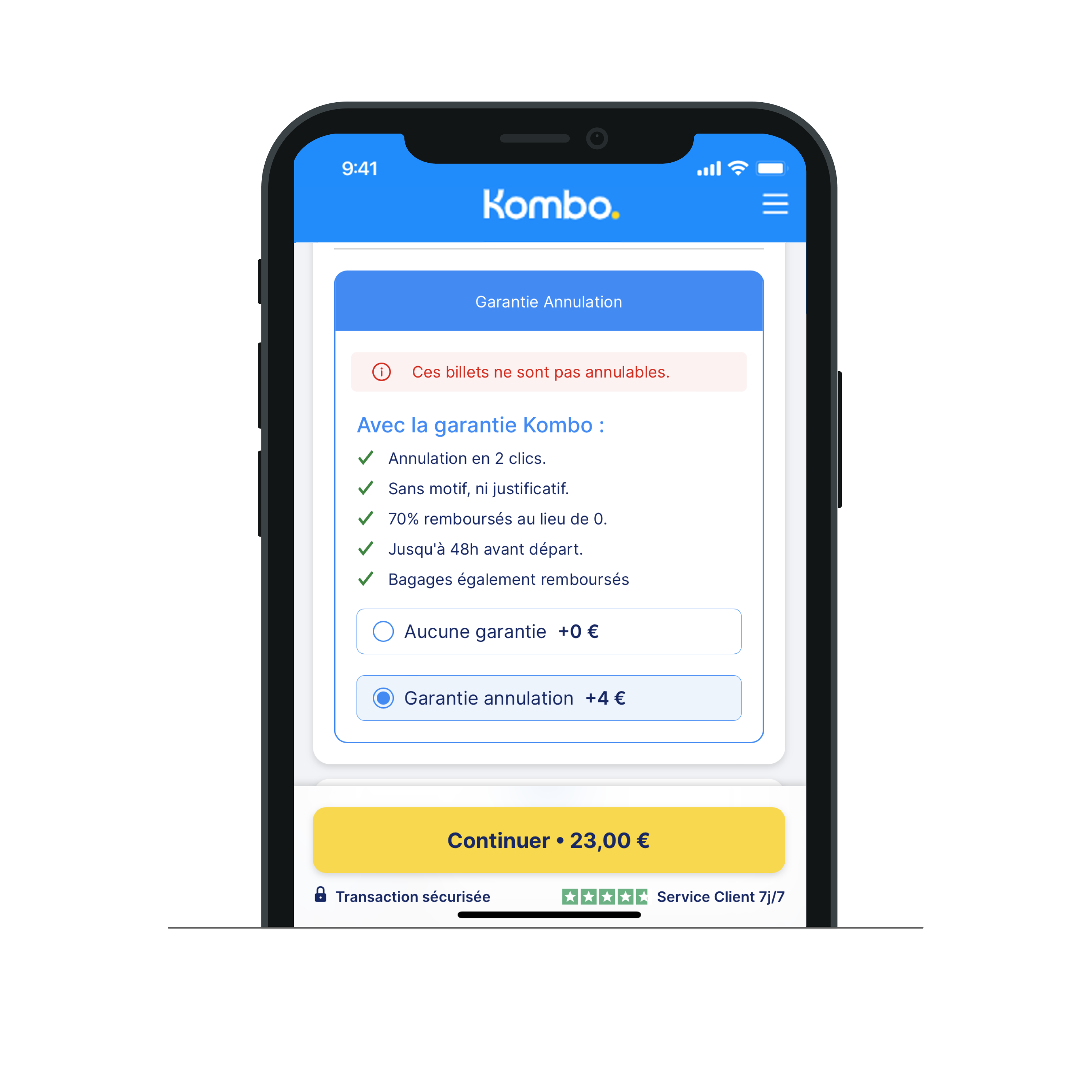
At Kombo, we know it's not always easy to choose between booking early to pay less but being locked into your date and time, and waiting until you're sure but paying more… To let you stay flexible on all your trips, we offer a cancellation guarantee, exclusive to Kombo, which lets you cancel any journey, even non-flexible ones, up to 48 hours before departure.
If you have any doubt, remember to add it when you book!
The trains present on Kombo
Bus companies | Train companies | Carpooling companies